
 Urban gardening has undergone a significant transformation in recent years, evolving from a simple hobby to a vital part of urban living and city infrastructure. This transition has been heightened due to a growing focus on sustainability, health, and community engagement. Here are a few key trends in urban gardening and how they’re transforming cities:
1. Vertical Gardening: Limited space in urban areas has given birth to the concept of vertical gardens or living walls. These gardens grow upwards using structures or wall surfaces. Not only do they maximize space, but they also can serve as insulation and help reduce the urban heat island effect.
2. Rooftop Gardening: Using otherwise wasted roof space, these gardens provide a great source of fresh produce, help reduce heat in buildings and improve air quality. In some places, rooftop gardening has also become a communal activity, fostering social connection within the community.
3. Hydroponic Systems: A trend growing in popularity is the use of hydroponic systems—growing plants in water instead of soil. This method reduces water usage by up to 90% compared to traditional gardening, making it an eco-friendly choice.
4. Community Gardens: Encouraging urban dwellers to cultivate and maintain garden plots in shared spaces has been a rising trend in recent years. Community gardens not only bring fresh produce but also encourage social cohesion, provide therapeutic benefits, and promote environmental stewardship.
5. Edible Landscaping: This trend involves growing food-producing plants in decorative ways as part of the landscape to combine the benefits of a beautiful city and local food production.
6. Urban Beekeeping: With the number of bees declining worldwide, urban beekeeping helps maintain the equilibrium. Beehives can be on rooftops or backyards, and they contribute to pollination and local honey production.
7. Urban Gardening Tech innovations: With the rise of technology, mobile apps, and internet of things (IoT) integration in urban gardening have become a big trend. Users can control their garden’s light, temperature, and water supply from a mobile app. Drones are also used to monitor large urban farms.
These trends offer cities many benefits, including improved air quality, increased biodiversity, a fresher and local food supply, improved mental health, and the creation of community spaces. By implementing these trends, urban areas can reduce their carbon footprints, create greener spaces, and provide healthier lifestyles for their inhabitants.
 The N-P-K ratio on fertilizer packages refers to the levels of key nutrients that are vital for plant growth: nitrogen (N), phosphorus (P), and potassium (K).
 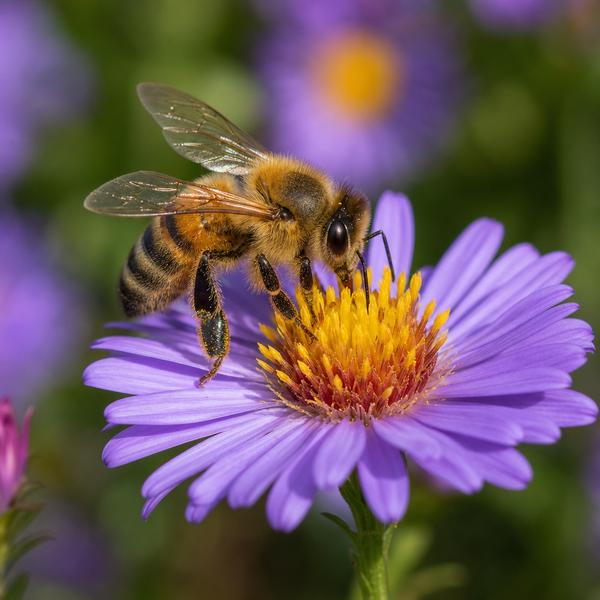 Insects play an essential role in pollination, which is a fundamental process for the reproduction of most flowering plants and crops. This means that many of the foods we eat – fruits, vegetables, nuts, spices, honey, chocolate, coffee – are available because of pollinating insects.
 1. Titan Arum (Indonesia): Titan Arum or the Corpse Flower is one of the world’s largest and rarest flowering structures. Known for the pungent smell it emits – similar to a decomposing mammal – the flower attracts carrion-eating beetles and flesh flies that pollinate it.
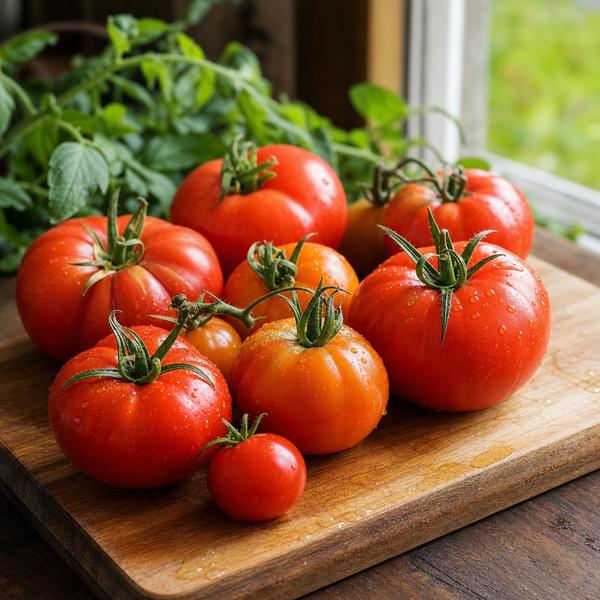 1. Tomato, Basil, and Mozzarella Salad:
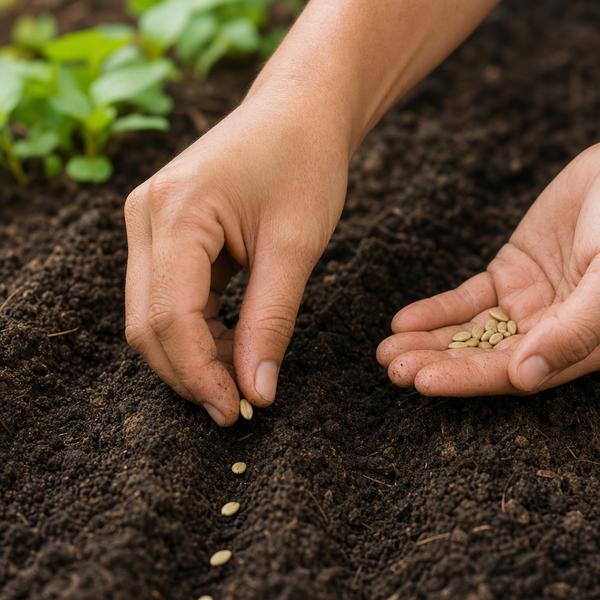 1. Choosing Seeds: Choosing the right seeds or plants for your garden is the first step in planting. Make sure to choose plants that thrive in your local climate and soil conditions. Pay attention to factors like sunlight exposure, temperature, and average rainfall, as these conditions differ across various plants.
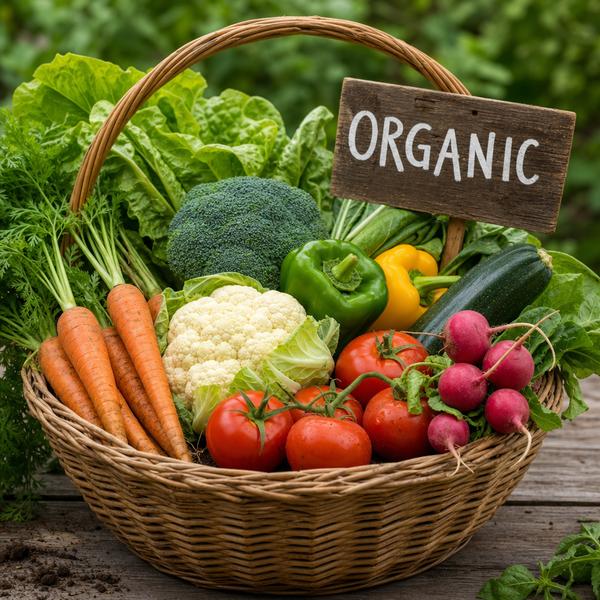 Organic farming or gardening is the practice of growing plants and raising livestock in a natural way. This process involves using organic materials and agricultural methodology that promotes ecological balance, maintains soil fertility, and conserves biodiversity.
 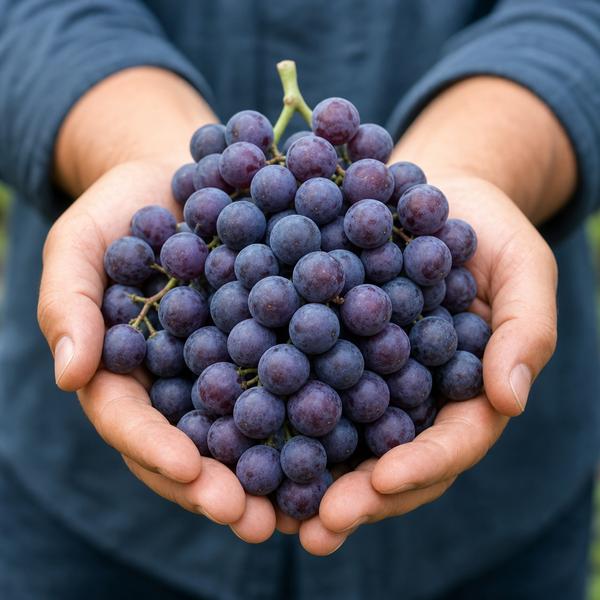 Harvesting crops effectively requires careful planning and execution. There are several factors that must be taken into consideration such as the type of crop, the state of the crop, weather conditions, and the equipment used.
 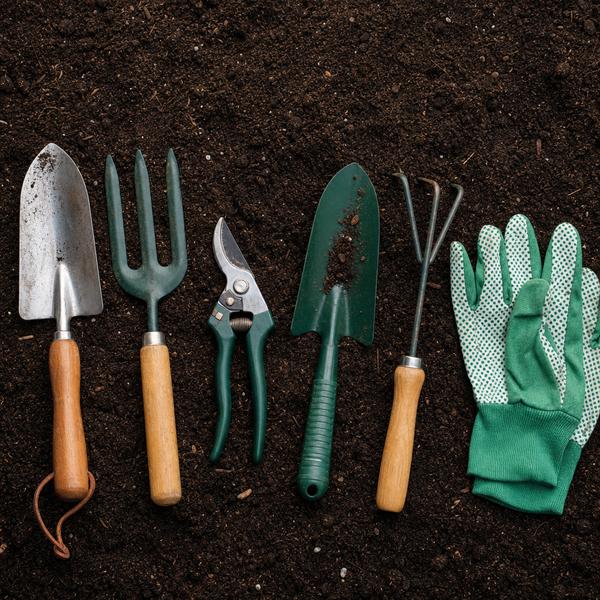 Title: Comprehensive Guide for Gardening Beginners
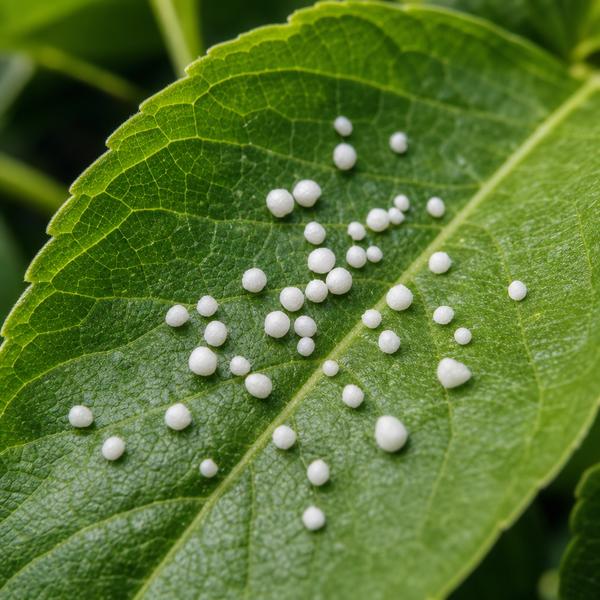 Best Practices: